
Why computer prices are rising and how practices can plan ahead
A global memory chip shortage is pushing up the price of everyday practice computers. Here’s what’s behind it, and five ways to shop around it.
You go to price out a new front-desk laptop, the same model you bought last year, and the quote is 25% higher.
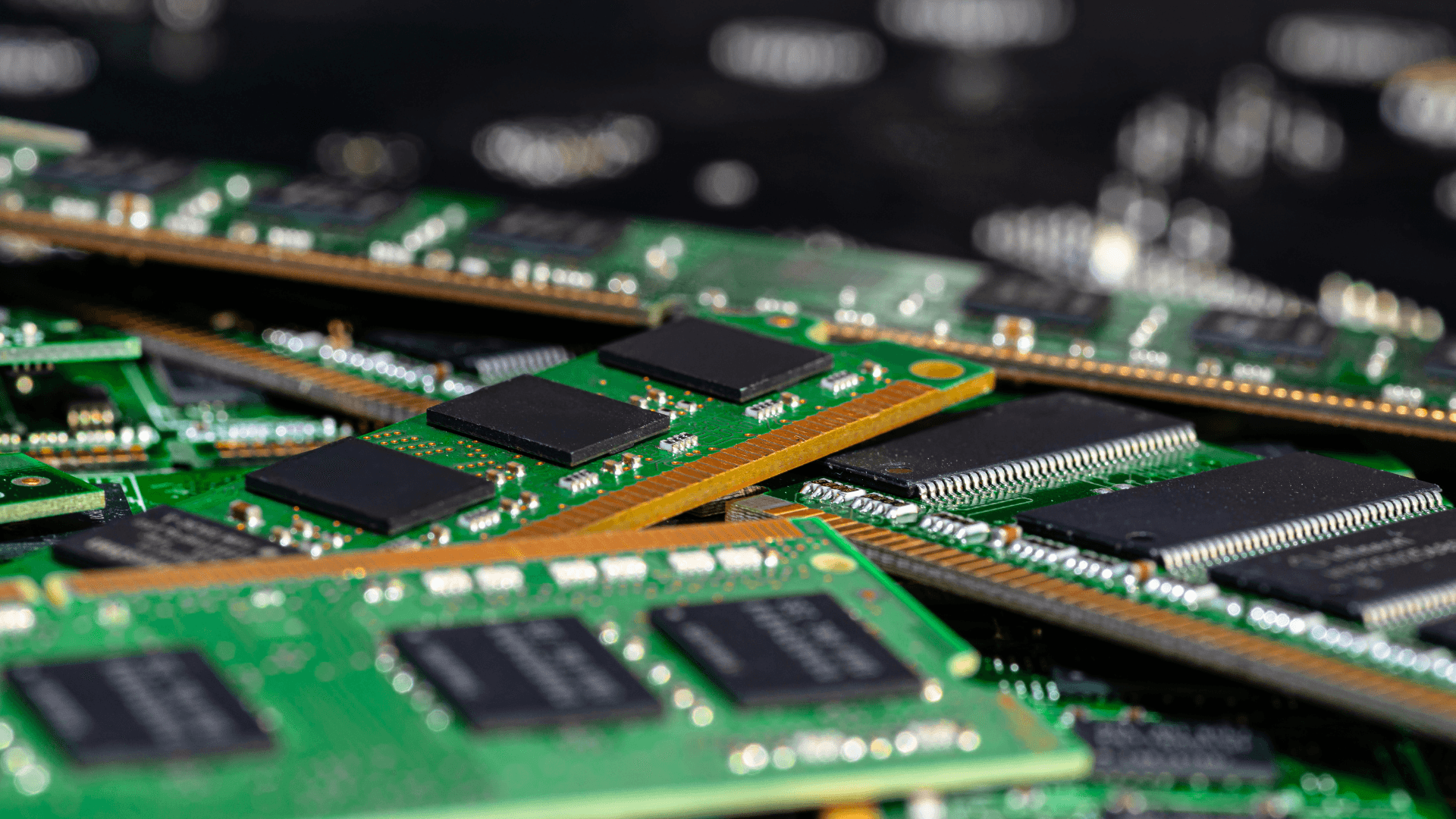
That’s not a one-off. Computer hardware prices are climbing across much of the technology industry, driven by a shortage most practices have never had to think about before: memory chips.
Key takeaways
A global shortage of memory chips and storage is pushing up prices on everyday computers, tablets, and laptops.[1,2]
The shortage is being driven largely by AI data centers, which consume significant quantities of the same components used in ordinary practice hardware.[1,3]
Practices can offset the increase by auditing existing hardware, right-sizing new purchases, consolidating orders, and timing purchases around financing incentives.
Why practice computers cost more this year
AI data centers require significantly more memory and storage capacity than traditional computing environments. Every AI data center depends on huge volumes of memory chips (DRAM) and storage (NAND), the same parts inside the laptops, tablets, and workstations your team uses every day. As AI infrastructure spending has surged, major memory manufacturers have increasingly prioritized higher-margin products such as High Bandwidth Memory (HBM) and enterprise-grade memory used in AI servers. Industry analysts report that this shift has tightened supply for conventional PC memory and storage, putting upward pressure on hardware pricing across consumer and business markets.[1,3]
The scale of the shift is significant. TrendForce reported that conventional DRAM contract prices increased approximately 90% to 95% quarter over quarter during the first quarter of 2026 and projected an additional 58% to 63% increase in the second quarter. NAND Flash pricing also rose sharply, with forecasts showing increases of up to 70% to 75% quarter over quarter. Analysts at IDC have projected that average PC prices could increase by as much as 8% in 2026 because of the shortage.[3,4] Industry analysts have warned that the imbalance between supply and demand may persist beyond the near term, with some forecasts suggesting meaningful new memory production capacity may not arrive until 2027 or later.[1,4] Because ezyVet software is cloud-based, this shortage doesn’t touch your practice management software directly. But it still touches your practice: The laptops, tablets, and check-in terminals your team uses to run ezyVet are ordinary computer hardware, and they’re all subject to the same pricing pressure as everything else in the market.
Five possible ways to buy hardware smarter right now
1. Check your actual requirements before you shop.
It’s easy to default to buying more than you need “to be safe.” Consider reviewing ezyVet’s hardware requirements before adding anything to a cart. Those specs are the minimum requirements that the software actually needs to run, so overinvesting in hardware means there’s a good chance that some of that extra capacity is just going to sit idle. And because memory and storage have been hardest hit by the shortage, the premium for that idle capacity is the steepest it’s been in years.
2. Get more life out of what you already have.
Before replacing a device, ask whether it could be redeployed instead. A laptop that’s too slow for a busy consult room might work fine at a quieter reception desk. Reshuffling existing hardware to lower-demand roles can delay a purchase without disrupting your team’s day.
3. Buy in one batch, not one at a time.
Replacing five devices across five separate orders over the year typically costs more than replacing all five at once, both in unit price and in the staff time spent managing repeat purchases. If you know a refresh is coming, batch purchases into a single order.
4. Spread the cost instead of waiting it out.
With prices still climbing, waiting for a better deal is its own kind of risk. Financing or leasing can spread the cost of a purchase over time rather than requiring the full amount up front.
5. Bring in an IT partner who knows veterinary practices.
The quickest way to overspend is to buy the wrong device and have to replace it ahead of schedule. A local IT provider who’s set up other veterinary practices will know what actually holds up under real clinic conditions, which is often a better guide than a spec sheet from a big-box retailer.
Frequently asked questions
Why are computer prices going up right now?
A global shortage of memory chips and storage has increased costs across the computer hardware industry. Analysts attribute much of the current shortage to strong demand from AI infrastructure and data centers, which are competing with PC manufacturers for the same memory and storage supply.1,3 This affects laptops, tablets, and desktops regardless of what software they run.
Does ezyVet require special or expensive hardware?
No. ezyVet runs in a web browser, so it works on standard, off-the-shelf computers, tablets, and laptops that meet the published hardware requirements. There’s no proprietary hardware to buy.
What’s one of the fastest ways to cut hardware costs this year?
Start by auditing what you already have. Practices often find they can redeploy existing devices to lower-demand roles and delay a purchase entirely, which costs nothing and buys time for prices to settle.
The bottom line
Hardware prices are unlikely to ease soon, but a cloud-based practice management system means you’re never locked into buying anything beyond standard, everyday devices. Auditing your current hardware, right-sizing new purchases, and timing your buying around financing incentives can all help offset the increases you can’t control.
Curious what ezyVet looks like in action? Book a free demo and see how much hardware your practice actually needs to run it.
Sources
IDC, Global Memory Shortage Crisis: Market Analysis and the Potential Impact on the Smartphone and PC Markets in 2026 (December 18, 2025).
Global Electronics Association, Industry-Wide Memory Constraints Grow as AI-Driven Supply Shift Reshapes Market (April 13, 2026).
TrendForce, Memory Price Outlook for 1Q26 Sharply Upgraded; QoQ Increases of All Product Categories to Hit Record Highs (February 2, 2026).
PCWorld, PC prices could rise by 8% in 2026 due to memory shortages (December 23, 2025).


